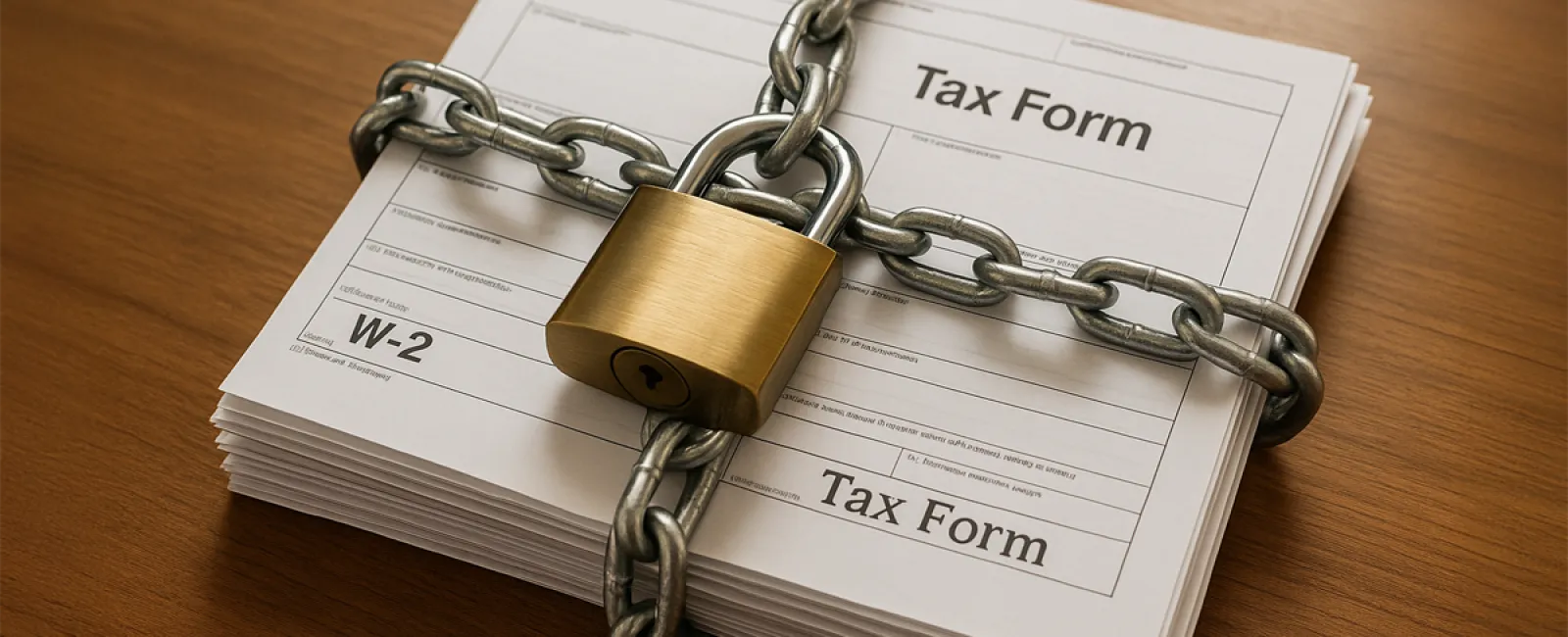
February is here, and tax season is kicking into high gear. Your accountant is busier than ever, and your bookkeeper is scrambling to gather all necessary documents. Everyone's minds are focused on W-2s, 1099s, and looming deadlines.
But there's a critical tax-season challenge that often goes unnoticed - not a form, but a sophisticated scam that strikes early.
This scam arrives before April, targeting small businesses with a deceptive, convincing approach. It may already be lurking in someone's inbox at your company.
Understanding the W-2 Scam: What You Need to Know
Here's the typical scenario:
An employee responsible for payroll or HR receives an email that appears to come from the CEO or a top executive.
The message is brief but urgent: "I'm tied up today, please send copies of all employee W-2s for an upcoming accountant meeting ASAP."
Everything about the email seems legitimate and natural for busy tax season demands. So, the employee complies and sends the sensitive W-2 information.
But here's the catch - the email wasn't from the CEO. It came from a fraudster using a spoofed address or a nearly identical domain.
Now, the scammer has access to every employee's:
• Full legal name
• Social Security number
• Home address
• Salary details
All the data needed to commit identity theft and submit fraudulent tax returns before your employees have a chance.
The Aftermath of the Scam
Victims usually discover the fraud when they attempt to file their tax return, only to receive a rejection message: "Return already filed for this Social Security number."
Someone else has already filed under their identity and claimed the refund.
This puts your employee into a prolonged ordeal with the IRS, credit monitoring services, identity restoration efforts, and endless paperwork - stemming from a document they unwittingly shared.
Imagine this happening across your entire payroll. Now, you must address the breach of trust, potential legal issues, HR headaches, and serious damage to your company's reputation.
Why the W-2 Scam Is So Effective
This isn't your typical dubious phishing email. It succeeds because:
- The timing is spot-on. Requests for W-2s in February raise no suspicion.
- The demand is plausible. Unlike outrageous requests like wiring money or buying gift cards, asking for W-2s fits typical tax season workflows.
- The urgency feels normal. "I'm slammed today; please send quickly" sounds like everyday office haste, not a red flag.
- The sender appears legitimate. Scammers invest time researching your company, mimicking real executive names and email styles.
Employees strive to be helpful, especially under pressure from leadership. This urgency can override caution.
Preventing the Scam: Protect Your Company Now
The good news: you can stop this scam before it infiltrates your business with the right policies and a vigilant culture.
- Enforce a strict "No W-2s via Email" policy. Period. Sensitive payroll documents should never be emailed outside your secure systems. If anyone requests them by email, the answer is a firm "No," regardless of who it appears to be from.
- Always confirm sensitive requests through a separate channel: phone calls, face-to-face conversations, or established messaging platforms. Use known contact details, not those provided in the suspicious email. This quick verification can prevent catastrophic breaches.
- Hold a brief tax-season scam awareness meeting with payroll and HR teams immediately. Educate them on what to watch for and how to respond. Awareness acts as a powerful shield.
- Strengthen security on payroll and HR systems by implementing multi-factor authentication (MFA). If credentials are compromised, MFA serves as the last line of defense.
- Foster a verification-friendly culture. Employees who double-check requests, even those appearing to come from the CEO, should be commended. A culture that values caution leaves no room for scams.
These five simple steps can be implemented quickly but offer strong protection against the first wave of tax season scams.
Looking Ahead: The Full Tax Season Threat Landscape
The W-2 scam is only the beginning.
From February through April, anticipate a surge of tax-related cyberattacks including:
• Fake IRS notices demanding immediate payments
• Phishing emails disguised as essential tax software updates
• Spoofed communications from "your accountant" containing harmful links
• Fraudulent invoices timed to mimic legitimate tax-related expenses
Cybercriminals exploit tax season distractions and the urgency of financial requests. Businesses that navigate tax season without incident are not lucky - they are prepared.
They've invested in strong policies, continuous training, and security systems that flag suspicious activities early.
Is Your Business Prepared for Tax Season Threats?
Many tax-season scams succeed not because of technical failures, but because they exploit everyday actions by well-meaning employees. Even businesses with solid security tools can be exposed if their teams are not trained to recognize what these scams look like in real life.
That is exactly why ongoing security awareness matters.
ComTech's CyberHero Academy is designed to help your team spot and stop threats before they turn into incidents. Through short, role-based training and real-world examples, employees learn how to recognize red flags related to payroll fraud, W-2 scams, email spoofing, and other tax-season tactics.
CyberHero Academy focuses on:
-
Teaching employees how attackers target payroll and HR processes
-
Reinforcing safe handling of sensitive documents like W-2s
-
Helping users identify suspicious emails and impersonation attempts
-
Building consistent security habits that reduce risk year-round
Sign up for CyberHero Academy today or get a sneak peek of the workbook here: https://comtechnc.com/cyberhero-academy
If your team is already well-trained, that is a strong advantage. If not, tax season is a good reminder that awareness is just as important as technology.