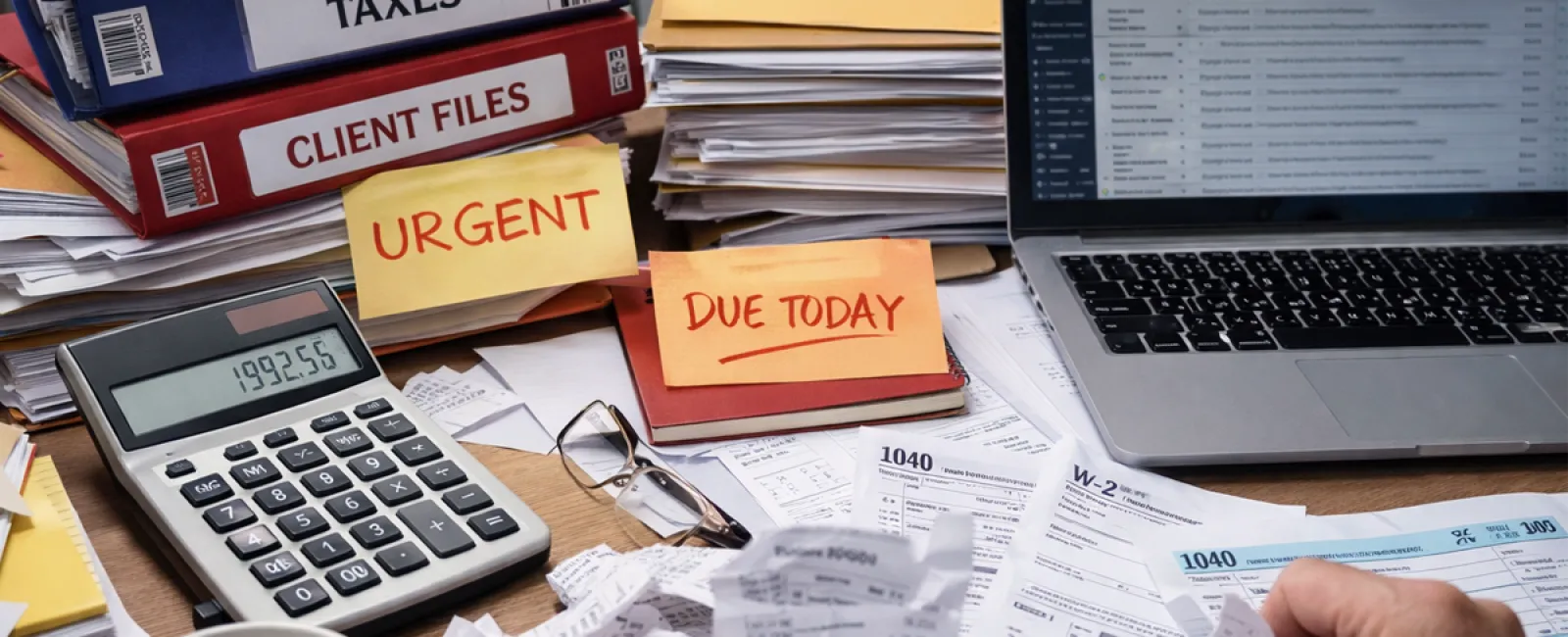
March marks the peak of tax season chaos. Your accountant is overwhelmed, your bookkeeper is racing against time, deadlines are closing in, and your inbox is flooded with urgent emails. Everyone is focused on just pushing through the month. You know this well. But hackers know it even better.
Security experts consistently detect a sharp rise in phishing scams during tax season, with March seeing approximately a 28% surge in tax-related scam emails compared to other times of the year. These emails are subtle - crafted to mimic everyday business communications when everyone's attention is stretched thin.
This is no accident. It's perfectly timed.
Here's what happens and four easy strategies to shield your business from becoming an easy mark.
Targeting the Stressed Supply Chain
What many miss is this: Hackers aren't only eyeing accounting firms.
They exploit the chaotic environment tax season creates.
During tax season:
- Clients hurriedly send sensitive documents
- Staff skip usual verification steps to manage the increased workload
- Requests like "Just send me the file" override normal safeguards
- Verification is frequently bypassed because everyone is overwhelmed
The entire network accelerates. And rapid pace breeds errors.
Hackers don't target calm, cautious businesses.
They hunt for those swamped with activity. March is peak activity.
Recognizing These Attacks
This isn't fiction. These scam emails look identical to everyday work messages.
- An email "from your accountant" asking you to resend W-2s because they weren't received
- A vendor notice claiming their bank info has changed and requires updating
- A DocuSign request demanding immediate signature on a tax document
- An urgent plea "from your CEO" needing immediate assistance while traveling
None of these raise suspicion at first glance. They appear as routine March business. That's why they succeed.
Why Busy Professionals Fall Victim
This isn't carelessness. It's simply human. In packed inboxes and tight deadlines, people skim instead of thoroughly reading. They make assumptions and respond quickly.
Scammers capitalize on this.
Their messages are crafted for hurried eyes—just one overlooked detail is all they need. They don't rely on recklessness but on your busy schedule. And in March, everyone is swamped.
4 Easy Ways to Protect Your Business
The great news is that you don't have to invest in complex security systems. A few mindful habits can drastically reduce risks during hectic periods.
1. Always Confirm Payment Changes by Phone
If you receive an email stating a vendor's bank details changed, don't reply. Instead, call a trusted number to verify the update verbally.
This simple step guards against some of the costliest scams.
2. Take Your Time with Sensitive Requests
Urgency should prompt caution, not haste.
If asked to send W-2s, tax forms, or financial records "immediately," pause and verify.
A legitimate sender will accept a brief delay; a scammer won't.
3. Verify Urgent Requests via Another Channel
For emails marked "urgent," confirm through a quick phone call, text, or internal message.
Real urgency withstands a two-minute check. Fraudulent urgency dissolves.
4. Alert Your Team to Heightened Scam Risks
This week, remind your staff that tax season is scam season.
Encourage them to slow down, double-check details, and ask questions if something feels off.
This small cultural shift can save you from major cleanup down the road.
Key Takeaway
Tax season already brings enough stress - don't let falling for a scam be added to your worries. These attacks aren't highly sophisticated; they're just perfectly timed.
They depend on rushed decisions. They exploit assumptions. They feed off the pressure everyone feels in March.
No need to overhaul your systems. You just have to slow down when it counts and verify anything urgent. That is often enough.
Busy Season Safety Check
Your business might already have strong security habits - and if so, that's wonderful.
But if tax season pushes your team into reactive mode, or if you're unsure how your team handles urgent requests under stress, consider a quick free 15-Minute Discovery Call check-in.
No pressure. Just a clear look at how small habit changes can ward off big problems during critical months.
If this message isn't for you, please share it with someone who will benefit.
Click here or give us a call at (336) 443-0061 to schedule your free 15-Minute Discovery Call.